
iconResearch Shock
Artificial IntelligenceEnvironmentLife SciencesSpaceNeuroscienceEngineeringSocietyTechnologyMedicineBusiness + Innovation

Company

  • Who we are
  • Our team
  • Contact us

Community

  • Community standards
  • Author guidelines

University Partners

  • For Universities
  • For Departments
  • For Research Labs

Legal

  • Privacy policy
  • Terms of service

Follow Us

Copyright © 2025, Research Shock, Inc.

Behind women’s success is a sisterhood that sustains it

Behind women’s success is a sisterhood that sustains it

Research Shock•Loading...
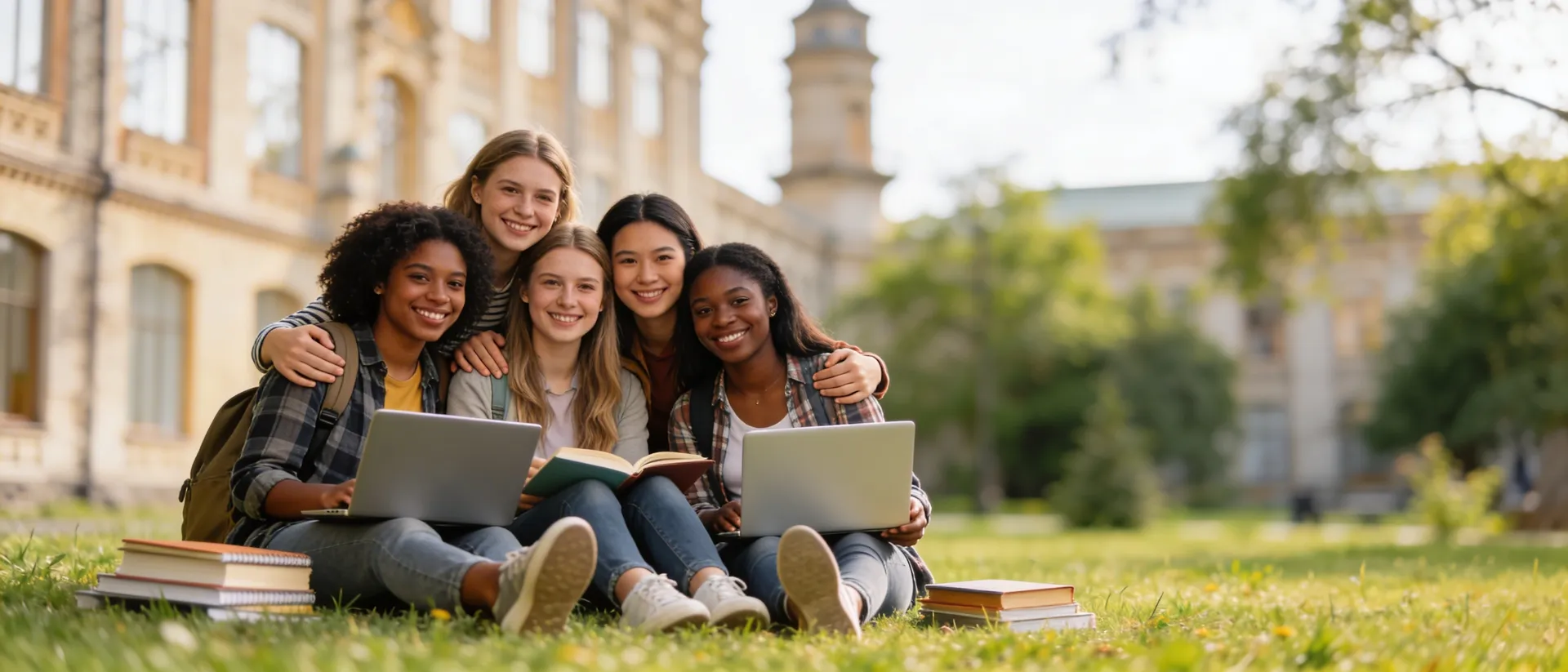
Credit: Perplexity

Research Summary

Female friendships play a crucial role in women’s success, well-being and resilience. Research shows that strong bonds between women improve mental and physical health, boost self-esteem and support personal growth. From childhood through adulthood, these friendships help women cope with challenges such as life transitions, illness, motherhood and relationship difficulties. They also provide emotional support, shared problem-solving and access to resources during crises. Beyond personal benefits, collective solidarity among women has driven major social movements and institutional change. Overall, female friendships are a powerful support system that helps women thrive both individually and collectively.

Behind women’s success is a sisterhood that sustains it

Research Shock

Published on March 9, 2026 at 10:49 pm

Summary

Female friendships play a crucial role in women’s success, well-being and resilience. Research shows that strong bonds between women improve mental and physical health, boost self-esteem and support personal growth. From childhood through adulthood, these friendships help women cope with challenges such as life transitions, illness, motherhood and relationship difficulties. They also provide emotional support, shared problem-solving and access to resources during crises. Beyond personal benefits, collective solidarity among women has driven major social movements and institutional change. Overall, female friendships are a powerful support system that helps women thrive both individually and collectively.

Success is often seen as an individual journey. The ambitious woman’s dedication and hard work get her where she wants to be. But social psychologists suggest something different: behind many women’s achievements lies a powerful and often overlooked support system — their friendships with other women.

Overwhelmingly, research shows that female friendships have the capacity to greatly enhance nearly every domain of life, from mental well-being to quality of life. They even foster better physical health.

In childhood, these social bonds are vital to reinforce emotional resilience, build healthy coping mechanisms and strengthen communication skills. As time goes on, this steady support also buffers the negative impacts of life transitions such as breakups, caregiving, burnout and illness.

Female friendships are social and psychological infrastructure that shape health, resilience and achievement, not just a sentimental side story.

Getting through life together

These bonds can help encourage goal-setting, ambition and later success. Developmental psychologists use the self-in-relation theory to posit that women’s growth in particular is built through social connection and interaction with one another.

Solid friendships can boost self-esteem, growth and even empowerment. And if you think about it, it makes intuitive sense. Empowerment is cultivated within the communities women build and sustain together.

In university settings in high-pressure environments, for example, female friendships prove critical in maintaining a positive outlook and building a strong sense of self. They also ensure a much better experience when transitioning to university in the first place, and getting used to it.

When it comes to problem-solving, studies show women don’t always do it alone. In fact, processes of co-rumination, which involve audibly working through problems with one another, lead to better problem-solving abilities and a capacity to handle strife.

Female friendships can also function as a therapeutic mechanism, providing real-time cognitive reframing by “telling it like it is” and improving coping strategies and stress tolerance.

A network in times of crisis

When it comes to hardships such as cancer, menopause or chronic pain, women also support one another through emotional comfort, access to valuable knowledge and even help offset emotional and physical labour. For example, for women recovering from substance use disorders, evidence shows that friends empower one another to recover and attain access to resources they hold in high regard.

For women who are post-partum and new mothers, having a supportive network to help with domestic and emotional labour also proves to have profound impacts on sense of self and buffers poor mental health. Even in later life, menopause sisterhoods — supportive, often informal communities where women help each other navigate the changes of menopause together — are vital in protecting quality of life.

Biology reinforces the positive impacts of friendship and social supports through the release of oxytocin, otherwise known as the “love hormone,” which then improves overall health.

For those without an in-person village by their side, online spaces such as Reddit function as a way for women to connect with other like-minded women globally and find solidarity. For people seeking help regarding sex education, for example, and who may not have an in-person support network, these online forums function as spaces to share knowledge, alleviate anxiety and build confidence.

Having a sisterhood can also aid immensely in protecting mental health during the ups-and-downs of a romantic relationship. Even more so, female friendships can help during situations of domestic abuse by providing valuable resources, emotional comfort and ultimately strength.

The politics of collective solidarity

Though supportive social bonds are a major part of an individual’s foundation, movements like #MeToo illustrate how collective female solidarity can shift institutional power too.

They function as a top-down process that can reshape what is socially possible. Even some of the first feminist movements in North America were largely constructed through the connections formed between women and the reliance they had on one another to achieve their goals.

While the end of a friendship is certainly not easy, there is still much beauty in the relationships that are meant to exist for specific season and in the opportunity to build new ones across our lifespan.

If society is serious about advancing women’s success, it must recognize that success is rarely achieved alone. Female friendships are foundational to women’s progress.

Whether it’s a friend who lends a listening ear and brings joy through late-night conversations or one that sternly tells you when to get back up and fight, the importance of female friendships is something we should celebrate this International Women’s Day.

The Conversation

Category

Society

Tags

Women, Wellbeing, International Women's Day, Friendship, Resilience, Success, Social bonds

Disclosure Statement

This article is written in The Conversation by Maha Khawaja from McMaster University. To read the original content, please visit The Conversation.

Success is often seen as an individual journey. The ambitious woman’s dedication and hard work get her where she wants to be. But social psychologists suggest something different: behind many women’s achievements lies a powerful and often overlooked support system — their friendships with other women.

Overwhelmingly, research shows that female friendships have the capacity to greatly enhance nearly every domain of life, from mental well-being to quality of life. They even foster better physical health.

In childhood, these social bonds are vital to reinforce emotional resilience, build healthy coping mechanisms and strengthen communication skills. As time goes on, this steady support also buffers the negative impacts of life transitions such as breakups, caregiving, burnout and illness.

Female friendships are social and psychological infrastructure that shape health, resilience and achievement, not just a sentimental side story.

Getting through life together

These bonds can help encourage goal-setting, ambition and later success. Developmental psychologists use the self-in-relation theory to posit that women’s growth in particular is built through social connection and interaction with one another.

Solid friendships can boost self-esteem, growth and even empowerment. And if you think about it, it makes intuitive sense. Empowerment is cultivated within the communities women build and sustain together.

In university settings in high-pressure environments, for example, female friendships prove critical in maintaining a positive outlook and building a strong sense of self. They also ensure a much better experience when transitioning to university in the first place, and getting used to it.

When it comes to problem-solving, studies show women don’t always do it alone. In fact, processes of co-rumination, which involve audibly working through problems with one another, lead to better problem-solving abilities and a capacity to handle strife.

Female friendships can also function as a therapeutic mechanism, providing real-time cognitive reframing by “telling it like it is” and improving coping strategies and stress tolerance.

A network in times of crisis

When it comes to hardships such as cancer, menopause or chronic pain, women also support one another through emotional comfort, access to valuable knowledge and even help offset emotional and physical labour. For example, for women recovering from substance use disorders, evidence shows that friends empower one another to recover and attain access to resources they hold in high regard.

For women who are post-partum and new mothers, having a supportive network to help with domestic and emotional labour also proves to have profound impacts on sense of self and buffers poor mental health. Even in later life, menopause sisterhoods — supportive, often informal communities where women help each other navigate the changes of menopause together — are vital in protecting quality of life.

Biology reinforces the positive impacts of friendship and social supports through the release of oxytocin, otherwise known as the “love hormone,” which then improves overall health.

For those without an in-person village by their side, online spaces such as Reddit function as a way for women to connect with other like-minded women globally and find solidarity. For people seeking help regarding sex education, for example, and who may not have an in-person support network, these online forums function as spaces to share knowledge, alleviate anxiety and build confidence.

Having a sisterhood can also aid immensely in protecting mental health during the ups-and-downs of a romantic relationship. Even more so, female friendships can help during situations of domestic abuse by providing valuable resources, emotional comfort and ultimately strength.

The politics of collective solidarity

Though supportive social bonds are a major part of an individual’s foundation, movements like #MeToo illustrate how collective female solidarity can shift institutional power too.

They function as a top-down process that can reshape what is socially possible. Even some of the first feminist movements in North America were largely constructed through the connections formed between women and the reliance they had on one another to achieve their goals.

While the end of a friendship is certainly not easy, there is still much beauty in the relationships that are meant to exist for specific season and in the opportunity to build new ones across our lifespan.

If society is serious about advancing women’s success, it must recognize that success is rarely achieved alone. Female friendships are foundational to women’s progress.

Whether it’s a friend who lends a listening ear and brings joy through late-night conversations or one that sternly tells you when to get back up and fight, the importance of female friendships is something we should celebrate this International Women’s Day.

The Conversation

Institution

Research Shock

Category

Society

Tags

WomenWellbeingInternational Women's DayFriendshipResilienceSuccessSocial bonds

Disclosure statement

This article is written in The Conversation by Maha Khawaja from McMaster University. To read the original content, please visit The Conversation.

Comments (...)

Loading comments...

Institution

Research Shock

Category

Society

Tags

WomenWellbeingInternational Women's DayFriendshipResilienceSuccessSocial bonds

Disclosure statement

This article is written in The Conversation by Maha Khawaja from McMaster University. To read the original content, please visit The Conversation.