
iconResearch Shock
Artificial IntelligenceEnvironmentLife SciencesSpaceNeuroscienceEngineeringSocietyTechnologyMedicineBusiness + Innovation

Company

  • Who we are
  • Our team
  • Contact us

Community

  • Community standards
  • Author guidelines

University Partners

  • For Universities
  • For Departments
  • For Research Labs

Legal

  • Privacy policy
  • Terms of service

Follow Us

Copyright © 2025, Research Shock, Inc.

How movies can set you up for unrealistic expectations of love

How movies can set you up for unrealistic expectations of love

Research Shock•Loading...
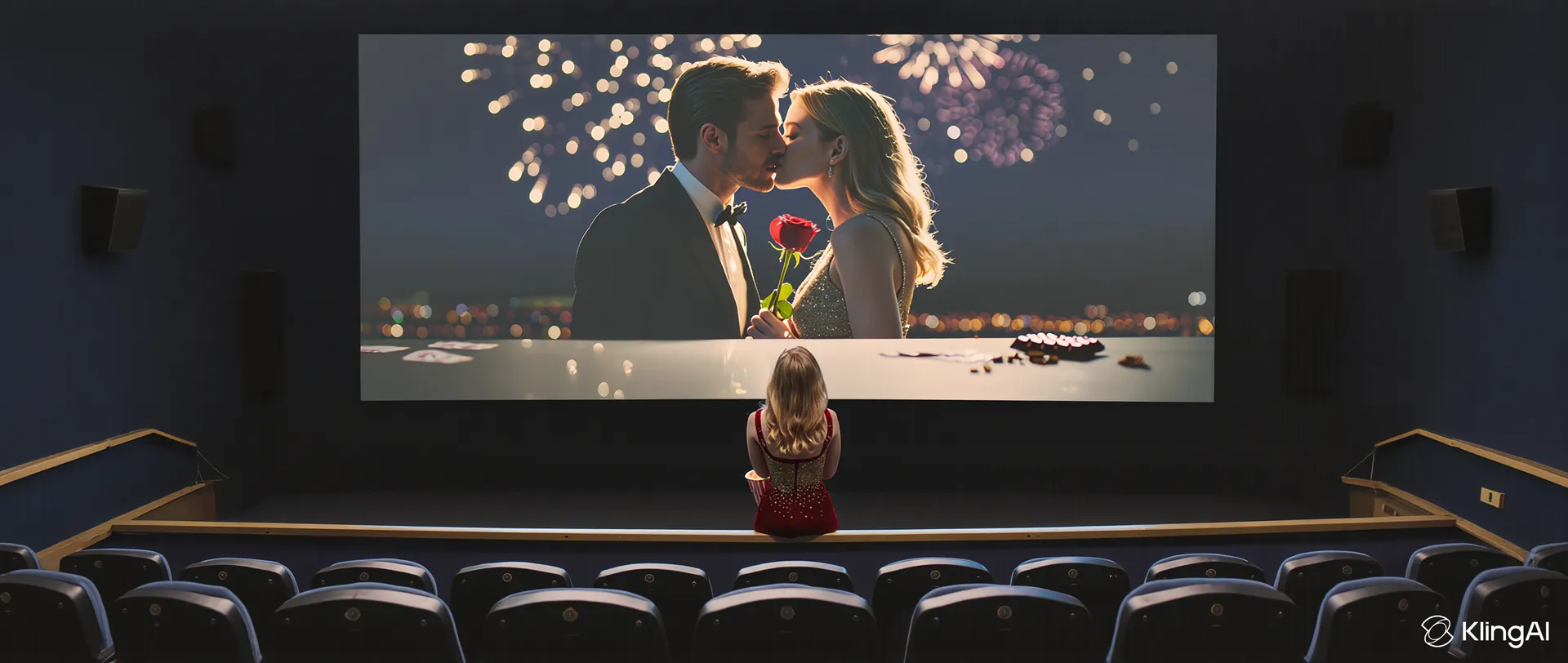
Credit: KlingAI

Research Summary

The article explains that while romantic movies are enjoyable, they often present idealized and formulaic versions of love that can lead people to form unrealistic expectations about real‑life relationships. Experts from Virginia Tech say these films emphasize “happily ever after” endings and rarely show everyday challenges like conflict or financial stress, which can make real relationships feel less satisfying by comparison. It also notes that some romantic movies lack diverse representation, though they can still offer a temporary escape or comfort for audiences.

How movies can set you up for unrealistic expectations of love

Research Shock

Published on March 8, 2026 at 9:57 pm

Summary

The article explains that while romantic movies are enjoyable, they often present idealized and formulaic versions of love that can lead people to form unrealistic expectations about real‑life relationships. Experts from Virginia Tech say these films emphasize “happily ever after” endings and rarely show everyday challenges like conflict or financial stress, which can make real relationships feel less satisfying by comparison. It also notes that some romantic movies lack diverse representation, though they can still offer a temporary escape or comfort for audiences.

While binge watching romance films can be a fun way to celebrate the season, Virginia Tech experts Sarah Ovink and Rose Wesche say formulaic depictions of love may set unrealistic expectations for real-life relationships.

Ovink, associate professor of sociology, says media’s role in shaping expectations of love starts early.

“From a young age, children are exposed to media that reinforces the importance of romance, marriage, and a ‘happily ever after ending,'” she says, noting that classic Disney films like Snow White and Cinderella, and even contemporary hits such as Frozen and Tangled, focus heavily on romantic relationships, often featuring coupling as a major plot point.

“Adults may continue to be drawn toward fantasies of happily-ever-after, having been primed to celebrate these stories since childhood,” Ovink says.

“In the real world, love and relationships are seldom neat and tidy, but these movies make a happy ending feel both inevitable and magical.”

Wesche says romance films, especially Hallmark-style movies, rarely show the complexities that characterize real-life relationships, such as conflict, financial stressors, and other challenges, but instead end when characters commit to their “one true love.”

“If people internalize these idealized relationships as achievable, then they may perceive their own relationships as being unsatisfying because they don’t live up to the unrealistic standard set by movie romance,” says Wesche, associate professor of human development and family science.

Following its annual holiday movie marathon, the Hallmark Channel carries its romantic storytelling into February with its annual “Loveuary” releases.

“Hallmark-style holiday movies feature idealized tropes of finding ‘the one’ and love conquering all,” Wesche says. “The idealized relationships in these movies connect with people’s desire to have a ‘perfect’ relationship, full of infatuation and free of conflict. Or, if we’re lucky, we get an epilogue of the couple still in googly-eyed infatuation years later.”

Wesche also notes Hallmark-style films have been criticized for a lack of inclusivity across race, culture, and sexuality.

“In media, representation matters,” she says. “The limited range of identities in the movies sends a message that these are the only kinds of stories whose stories are worth telling.”

Despite the criticisms, Wesche says the films may be appealing to younger individuals because they counter the negative experiences of “navigating the stressful dating world.”

In contrast, she says they may help older adults in established partnerships “momentarily escape the less exciting, or even unhappy, aspects of their relationship.”

Category

Society

Tags

Holidays, Love, Movies, Relationships

Disclosure Statement

This article is written in Futurity by Kelsey Bartlett - Virginia Tech. To read the original content, please visit Futurity.

Research Paper

https://www.futurity.org/romantic-films-expectations-love-3322102/

While binge watching romance films can be a fun way to celebrate the season, Virginia Tech experts Sarah Ovink and Rose Wesche say formulaic depictions of love may set unrealistic expectations for real-life relationships.

Ovink, associate professor of sociology, says media’s role in shaping expectations of love starts early.

“From a young age, children are exposed to media that reinforces the importance of romance, marriage, and a ‘happily ever after ending,'” she says, noting that classic Disney films like Snow White and Cinderella, and even contemporary hits such as Frozen and Tangled, focus heavily on romantic relationships, often featuring coupling as a major plot point.

“Adults may continue to be drawn toward fantasies of happily-ever-after, having been primed to celebrate these stories since childhood,” Ovink says.

“In the real world, love and relationships are seldom neat and tidy, but these movies make a happy ending feel both inevitable and magical.”

Wesche says romance films, especially Hallmark-style movies, rarely show the complexities that characterize real-life relationships, such as conflict, financial stressors, and other challenges, but instead end when characters commit to their “one true love.”

“If people internalize these idealized relationships as achievable, then they may perceive their own relationships as being unsatisfying because they don’t live up to the unrealistic standard set by movie romance,” says Wesche, associate professor of human development and family science.

Following its annual holiday movie marathon, the Hallmark Channel carries its romantic storytelling into February with its annual “Loveuary” releases.

“Hallmark-style holiday movies feature idealized tropes of finding ‘the one’ and love conquering all,” Wesche says. “The idealized relationships in these movies connect with people’s desire to have a ‘perfect’ relationship, full of infatuation and free of conflict. Or, if we’re lucky, we get an epilogue of the couple still in googly-eyed infatuation years later.”

Wesche also notes Hallmark-style films have been criticized for a lack of inclusivity across race, culture, and sexuality.

“In media, representation matters,” she says. “The limited range of identities in the movies sends a message that these are the only kinds of stories whose stories are worth telling.”

Despite the criticisms, Wesche says the films may be appealing to younger individuals because they counter the negative experiences of “navigating the stressful dating world.”

In contrast, she says they may help older adults in established partnerships “momentarily escape the less exciting, or even unhappy, aspects of their relationship.”

Institution

Research Shock

Category

Society

Tags

HolidaysLoveMoviesRelationships

Disclosure statement

This article is written in Futurity by Kelsey Bartlett - Virginia Tech. To read the original content, please visit Futurity.

Research Paper

Read the full research paper

Comments (...)

Loading comments...

Institution

Research Shock

Category

Society

Tags

HolidaysLoveMoviesRelationships

Disclosure statement

This article is written in Futurity by Kelsey Bartlett - Virginia Tech. To read the original content, please visit Futurity.

Research Paper

Read the full research paper